Repair of Roofing: Expert Guide
By
Grace
Date
January 10, 2026
Read Time
5 min read
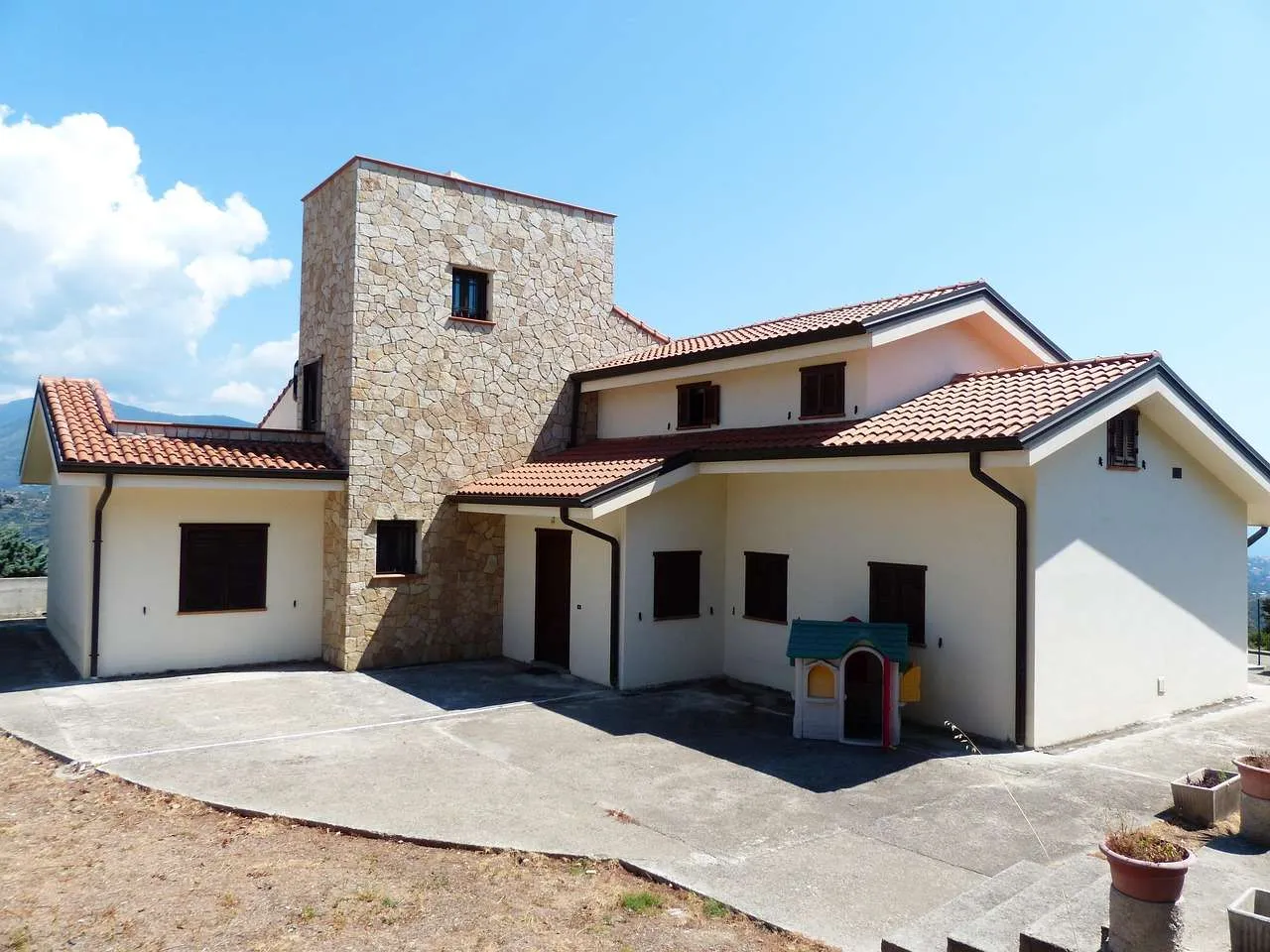
Repair of roofing is a crucial part of home maintenance that protects your family, belongings, and investment. This guide explains how to spot problems, what repair options exist, how to hire a qualified contractor, and how to maintain a roof so it lasts longer.
Common Causes of Roof Damage
Roofs endure wind, rain, hail, and sun. Over time aging shingles, damaged flashing, clogged gutters, and poor attic ventilation lead to leaks and structural issues. Tree limbs resting on the roof, improper installation, or previous shortcuts can also create vulnerabilities. Understanding these causes helps homeowners plan proactive repairs rather than waiting for sudden failures.
Signs You Need a Roof Repair
Look for several telltale indicators of damage. Missing or curling shingles, visible granules in gutters, and shingle lifting around edges suggest the surface needs attention. Ceiling stains or attic moisture indicate leaks from flashing or joints. Dark spots, mold, or odor inside the attic point to concealed seepage. If you notice any of these signs, it is wise to schedule a professional inspection promptly.
DIY vs Professional Repairs
Small cosmetic fixes, like resealing a minor crack or replacing a few loose shingles, may be attempted by a confident homeowner with proper safety gear. However roof work involves height, electrical lines, and potential structural damage. Falls account for most roofing injuries. In addition, many repairs affect warranties and building codes. When in doubt, hire a licensed professional who carries liability insurance and workers compensation to protect you and your property.
Choosing a Roofing Contractor
Selecting the right contractor is essential for durable repairs and long term peace of mind. Verify licenses and state or local registrations, check insurance coverage, and request written estimates. Look for a clear scope of work, material specifications, and a timeline. Ask for references and speak with previous clients. Ensure the contractor offers a warranty for both workmanship and materials and provides a detailed inspection report before starting work.
Repair Options and When to Use Them
Different problems require different fixes. The following options cover common scenarios and help you decide when to repair rather than replace the entire roof.
Minor Leak Patching
Best for pinpoint leaks around flashing or seams. A small patch, roofing cement, and sealing tape can stop the water entry quickly. This option is inexpensive and fast but may be temporary if the underlying issue is not resolved.
Shingle Replacement
When several shingles are damaged or weathered, replacing them restores the roof surface and helps maintain waterproofing. This repair addresses visible damage and reduces future leaks, especially in high wind areas.
Flashing Repair
Leaks at joints around chimneys, vents, and skylights often come from damaged or improperly sealed flashing. Replacing or resealing flashing is essential to prevent water intrusion at critical points.
Vent Boot and Pipe Seal Replacement
Cracked or deteriorated vent seals allow water to enter the roof plane. Replacing worn boot seals is a targeted fix that protects ventilation pathways and reduces leaks.
Deck and Underlayment Repairs
After significant weather or long-term wear, the roof deck or underlayment may need repair or replacement. This is more extensive work and usually accompanies shingle replacement to restore full protection.
Costs and Timeline Considerations
Costs vary by region, roof type, and accessibility. Typical ranges for common repairs are below, but regional labor rates and material costs will shift numbers. Always obtain multiple written estimates and ensure the scope covers materials, labor, permits if required, and warranty terms. In general, minor patches are the least expensive, while deck or extensive flashing work is more costly and time consuming.
Maintenance and Prevention
Proactive maintenance prolongs roof life. Schedule inspections twice a year, especially after major storms. Clean gutters and downspouts to prevent overflow and ice damming. Trim overhanging branches to reduce physical damage and debris buildup. Ensure proper attic ventilation to balance interior temperatures and prevent moisture buildup that can accelerate shingle deterioration. A small annual check can save substantial repair costs later.
Emergency Precautions
If a leak is occurring during rain, use temporary tarps and buckets to minimize water damage while you arrange professional help. Avoid walking on a wet, slippery roof and never attempt significant structural repairs in a storm. Document damage with photos for insurance claims and contractor references.
Repair Options Comparison
| Repair Type | Typical Cost | Time to Complete | Pros | Cons | When to Use |
|---|---|---|---|---|---|
| Minor leak patch | $150–$350 | Same day | Low cost, quick fix | Often temporary if root cause persists | Localized leaks near flashing or seams |
| Shingle replacement | $300–$700 per 100 sq ft | 1–2 days | Restores surface and protection | Labor intensive in large areas | Multiple damaged shingles |
| Flashing repair | $250–$750 | 1–2 days | Stops leaks at joints | Access and weather impact | Leaks around chimneys, vents |
| Vent boot or pipe seal replacement | $150–$400 | 1 day | Local fix, prevents water entry | May need follow up if roof age is high | Worn boots or seals |
| Deck/underlayment repair | $1,000–$3,000+ | 2–5 days | Addresses structural risk, long-lasting | Most expensive, disruptive | Widespread moisture or damage |
Note that asphalt shingles are common in many regions, but metal, tile, and flat roofs require different techniques and costs. Always ensure the roofer follows local building codes and uses proper underlayment and flashing details to prevent future leaks.
Conclusion, addressing issues early with a licensed professional, a solid maintenance plan, and timely repairs protects your home, saves money over time, and extends your roof life.
Related Articles

TPO Roofing: A Complete Guide
Read More >
Corrugated Metal Roofing: A Complete Guide
Read More >
Roofing and Roof Repairs: Expert Guide
Read More >