Home Window Tinting: A Complete Guide
By
Isabella
Date
January 10, 2026
Read Time
3 min read
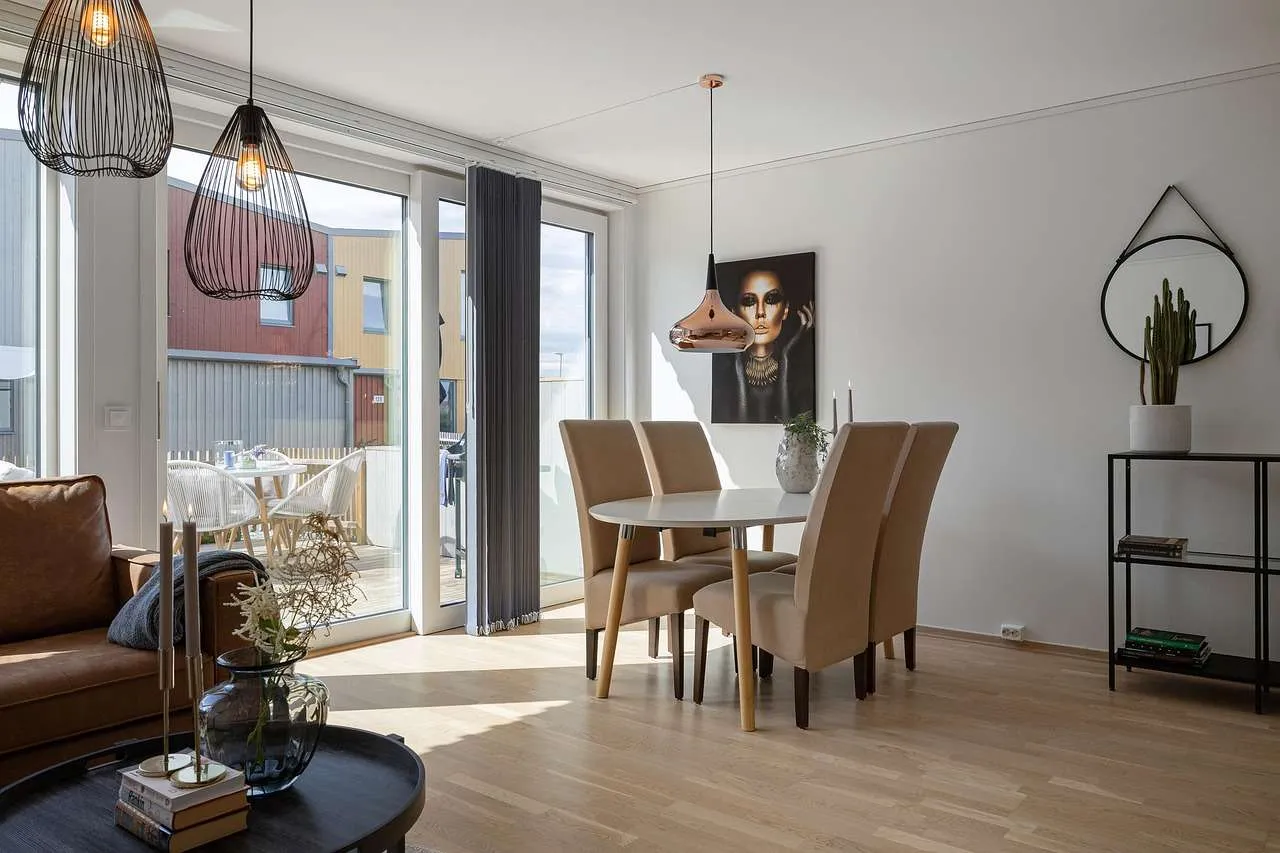
Home window tinting is the process of applying a window film to the interior surface of your windows. Modern films block heat and UV while maintaining clarity and view, helping homes stay cooler in summer and more comfortable year round.
What is home window tinting?
Window tinting for homes uses transparent films that adhere to glass to reduce heat gain glare and UV exposure. The film is installed by professionals or DIY with careful surface prep and a clean bubble-free finish.
Benefits of home window tinting
- Energy efficiency and lower cooling costs as heat is reflected or absorbed by the film
- UV protection keeps furniture carpets and artwork from fading
- Glare reduction makes rooms more comfortable for screens and reading
- Increased privacy from street level view while preserving visibility
- Added safety and security by holding glass together if a window is broken
Types of window films
Dyed films
Dyed films are affordable and good for improving privacy and reducing glare. They are less effective for IR rejection and can fade over time.
Metalized films
Metalized or metallic films reflect heat well and can shield interiors from sun. They may interfere with electronics and can show a mirrored look at certain angles.
Ceramic films
Ceramic films offer strong heat rejection with minimal tint, preserve natural color and do not interfere with electronics. They cost more but have superior durability.
Carbon films
Carbon films provide a non reflective finish with good IR rejection and long term color stability. They sit between dyed and ceramic on price and performance.
| Film Type | Pros | Cons | Typical VLT |
|---|---|---|---|
| Dyed | Low cost, good privacy | Can fade, uneven color | 5–50% |
| Metalized | Excellent heat rejection | Possible electronics interference | 15–60% |
| Ceramic | Strong heat rejection, clear view | Higher upfront cost | 20–70% |
| Carbon | Non reflective, durable | Mid to high cost | 30–70% |
Choosing the right film for your home
Consider climate orientation and budget. In hot sunny regions you may prioritize higher IR rejection and a higher VLT to keep rooms bright. For southern exposures, ceramic or carbon films strike a balance between comfort and visibility. Check glass type and whether your HOA or local codes impose tinting limits.
DIY vs professional installation
Professional installation ensures bubble-free application with a warranty and can address edges corners and curved panes. DIY is possible on flat windows with kits but requires careful cleaning and a steady hand to avoid dust specks and creases.
Maintenance and care
Clean with non ammonia glass cleaners and a soft cloth. Avoid abrasive pads. The film should last many years with proper care and avoid brushing or scraping the film.
Cost and return on investment
Installed film costs vary by type and region. Typical installed cost per square foot ranges from a few dollars for dyed films to double digits for ceramic options. Most homeowners see energy savings and furniture protection that justify the investment over time.
| Film Type | Estimated installed cost per ft2 | Typical lifespan |
|---|---|---|
| Dyed | $2–4 | 5–7 years |
| Metalized | $3–6 | 7–10 years |
| Ceramic | $6–12 | 10–20 years |
| Carbon | $5–10 | 10–15 years |
To ensure the best results, choose a licensed installer with reviews and before after photos. Ask about warranty installation time and whether heat and UV rejection meet your climate goals. Also verify that the product carries a reputable brand and a valid warranty to protect your investment.
Conclusion, home window tinting offers energy efficiency UV protection privacy and safety when selected and installed correctly. By understanding film types evaluating VLT and IR rejection and working with a reputable installer you can improve comfort and protect belongings while maintaining a clear view and preserving curb appeal.
Related Articles
Home Window Tinting Near Me: Expert Guide
Read More >
Home Window Repair Near Me: Trusted Pros
Read More >
Home Window Repair: Expert Tips & Guide
Read More >