Bathroom Tile: Styles, Materials & Tips
By
Daniel
Date
January 10, 2026
Read Time
5 min read
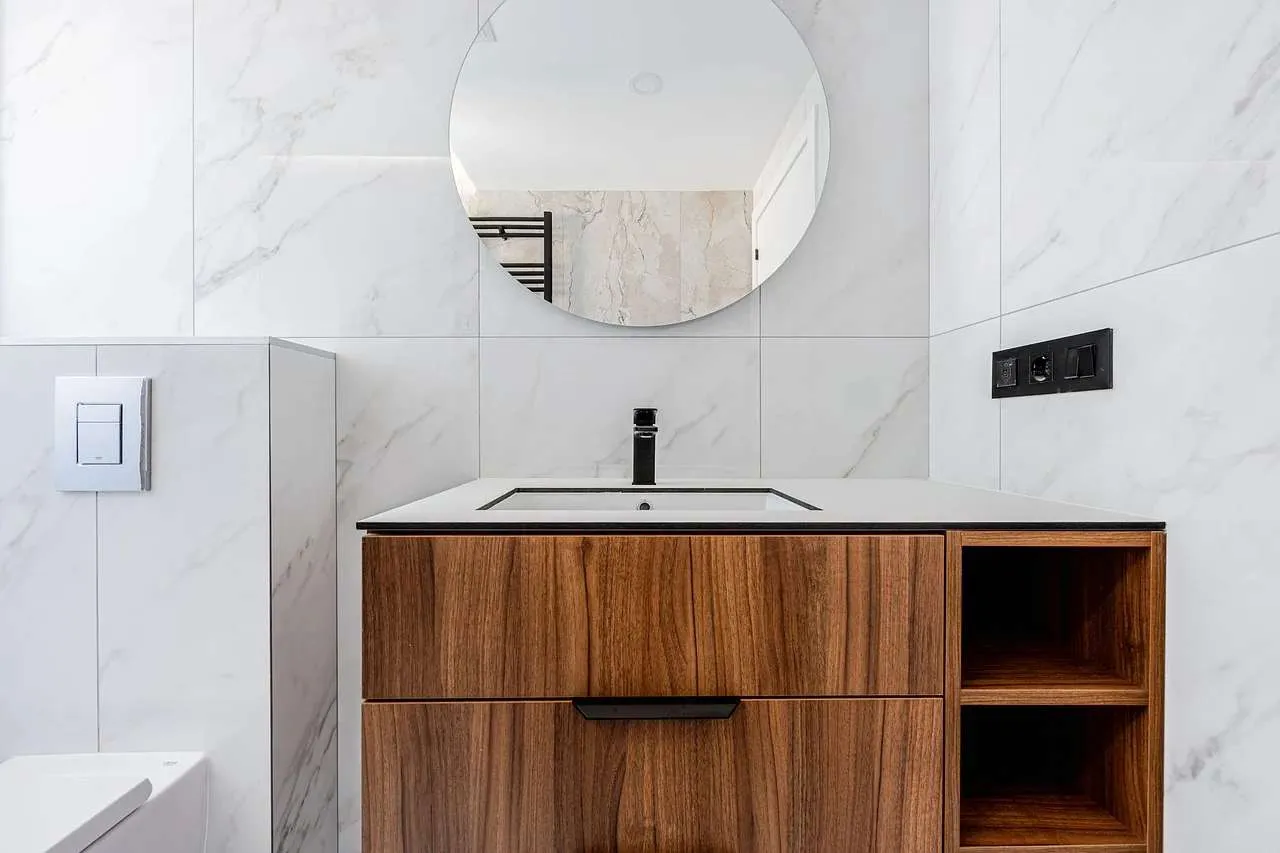
Choosing the right bathroom tile is more than just picking a color you love. It combines moisture resistance, durability, ease of cleaning, and long-term maintenance with your design goals. In this guide, you’ll find expert insights on tile materials, formats, installation considerations, and maintenance strategies to help you create a bathroom that looks great and lasts for years.
Choosing the right bathroom tile
Tile selection should start with the environment and use case. Bathrooms experience high humidity, frequent water exposure, and heavy foot traffic in some areas. Your choices should balance aesthetics with function. Common materials include ceramic and porcelain, natural stone, glass, and cement, each offering distinct looks and care requirements.
Ceramic and porcelain
- Ceramic tiles are versatile, affordable, and available in a wide range of colors and patterns. They are easier to cut and install for DIY projects.
- Porcelain tiles are denser and less porous, making them more water resistant and durable for floors and showers.
- Both come in gloss or matte finishes; choose slip resistance (PEI rating) for floors in wet zones.
Natural stone
Marble, travertine, and slate offer timeless beauty but require more maintenance. They’re usually more absorbent and may need sealing and periodic re-sealing to protect against stains and moisture.
Glass and cement
Glass tiles add light reflection and visual depth, often used as accents or backsplashes. Cement tiles bring modern texture but can be porous and darker over time if not sealed and maintained properly.
Size, pattern, and layout
Tile size influences perceived space and maintenance. Large-format tiles can make small bathrooms appear bigger and reduce grout lines, while small-format tiles offer flexibility for curved surfaces and complex patterns. Consider these patterns:
- Stacked or grid layouts for a clean, contemporary look.
- Running bond or brick patterns for a classic feel.
- Diagonal layouts or herringbone patterns to create visual interest and the illusion of space.
Plan layouts by shower and vanity zones. Laying tiles vertically can elongate a narrow room, while lighter shades on the walls with a darker floor create contrast and depth. Don’t forget waterproofing details under substrates and around seams to prevent moisture intrusion.
Waterproofing, substrate prep, and installation
Proper installation begins with a solid substrate and a reliable waterproofing strategy. Use cement backer boards or waterproof membranes behind tiles in wet areas. Ensure a sloped shower floor, proper drain installation, and appropriate mortar and grout choices. Epoxy grout offers excellent stain resistance in showers, though it can be harder to work with; traditional cement grout is more forgiving but needs sealing and maintenance.
Grout and sealants
Choose grout that matches the tile type and location. Sanded grout is common for larger joints on floors, while unsanded grout works well for wall tiles and smaller joints. Sealing porous tiles (like natural stone) and some cement tiles reduces staining and moisture absorption, extending tile life.
Maintenance and care
Routine cleaning keeps tile surfaces looking fresh and prevents mineral buildup. Use pH-balanced cleaners or mild soap solutions and rinse well. For grout, periodic cleaning with a grout stain remover or a baking-soda-based paste helps prevent discoloration. Reseal natural stone and porous cement tiles as recommended by manufacturers to maintain moisture resistance and color.
Design ideas and color schemes
Color is a powerful design tool in bathrooms. Light-colored tiles can brighten small spaces, while darker tiles create drama in larger baths. Use a neutral tile as a base and layer in bold accents, such as a tempered glass mosaic band, a vibrant accent wall, or a patterned tile floor for visual interest. Consider the overall style—spa-like, coastal, modern minimal, or rustic—when pairing tile with vanities, fixtures, and hardware. Consistency in grout color and tile finish helps unify the room and reduce maintenance complexity.
Cost and budget considerations
Budgeting for bathroom tile involves material cost, labor, and installation complexity. Ceramic and porcelain tiles generally offer the best balance of price and performance for walls and floors. Natural stone can raise costs due to material and sealing requirements. Glass and cement tiles often have premium pricing and longer lead times. Plan for extra material for cuts and waste, and set aside funds for waterproofing, grout, sealants, and potential professional installation if you’re not DIY-experienced.
Comparison: tile materials at a glance
| Material | Durability | Water Resistance | Maintenance | Typical Cost (per sq ft) |
|---|---|---|---|---|
| Ceramic | Moderate | Moderate to High | Low to Moderate | $1 - $3 |
| Porcelain | High | High | Low | $2 - $6 |
| Natural Stone | High (varies) | Low to Moderate (varies) | High (sealing required) | $5 - $15 |
| Glass | Moderate | High | Moderate | $7 - $20 |
| Cement | Moderate | Moderate | Moderate | $3 - $8 |
When selecting tile, consider not just the upfront price but also long-term costs: sealing frequency for porous materials, potential replacement of grout, and the labor required for installation. A well-chosen tile system supports both style and durability, aligning with your hygiene expectations and environmental conditions.
Conclusion, thoughtful planning, proper waterproofing, and a maintenance routine will help you achieve a bathroom that remains beautiful and functional for years to come. Start with a clear plan, consult qualified installers for critical areas like wet zones, and commit to regular care to protect your investment.
Related Articles
Bathroom Decor Ideas for Stunning Spaces
Read More >
Bathroom Tiles: A Complete Guide to Styles, Costs, and Tips
Read More >
Bathroom Accessories: Essentials for Every Home
Read More >