Bathroom Tiles: A Complete Guide to Styles, Costs, and Tips
By
Grace
Date
January 10, 2026
Read Time
4 min read
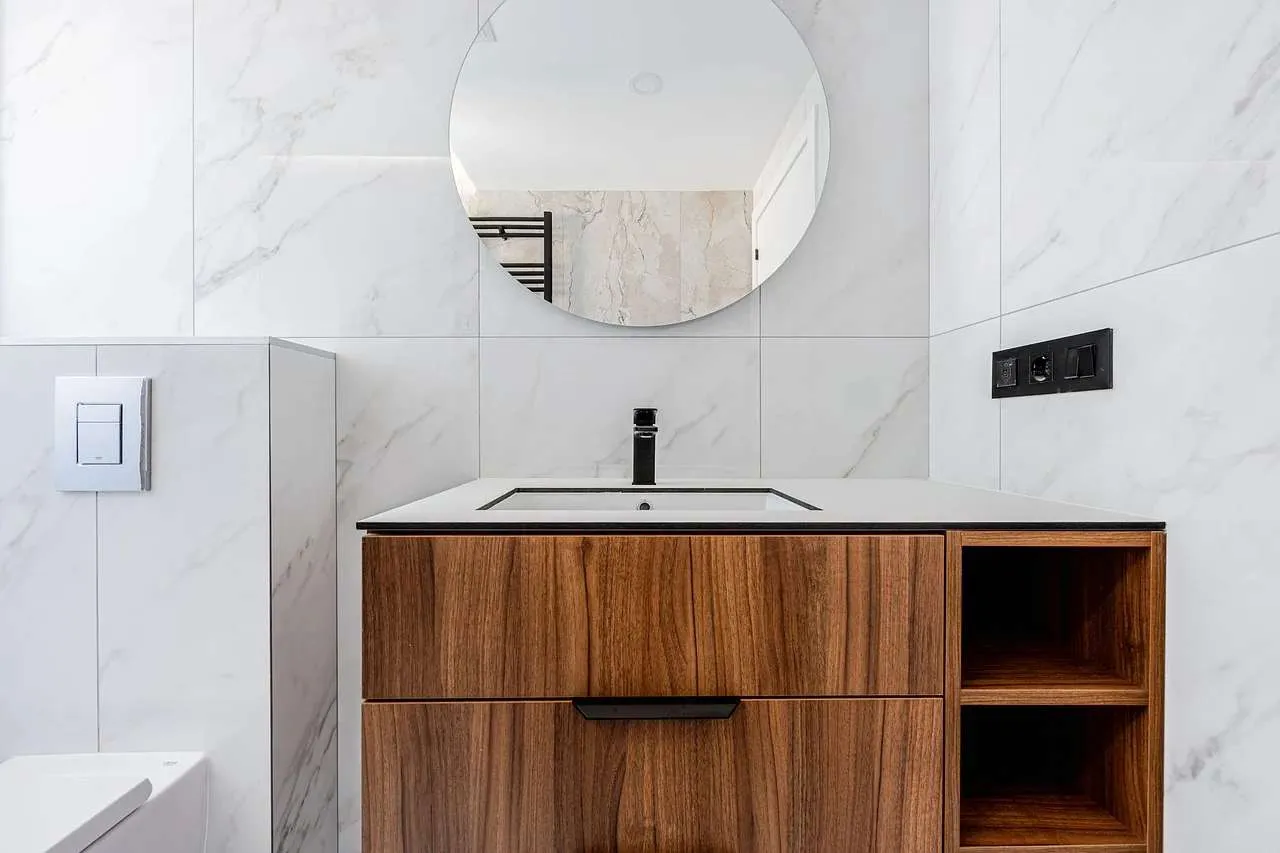
Bathroom tiles are not just a practical surface; they set the tone for your space. From moisture resistance to color, texture, and maintenance, choosing the right bathroom tiles affects daily use and long-term value. This guide presents clear, practical guidance for homeowners and designers seeking durable, stylish, EEAT-aligned information about bathroom tiles.
Understanding bathroom tile materials
Ceramic vs Porcelain
Ceramic tiles are made from clay and coated with glaze. They are generally softer and less dense than porcelain, making them a good choice for walls, backsplashes, and lightly used floors. Porcelain tiles are fired at higher temperatures and have lower water absorption, making them more durable in wet areas such as showers and bathroom floors. When selecting, check the water absorption rate and wear rating for durability. Both types come in a wide range of colors and patterns, and glaze helps with stain resistance and cleaning.
Natural stone
Natural stone tiles such as marble, limestone, and travertine bring timeless beauty but require more maintenance. They are generally more porous and may need sealing to prevent staining and water ingress. Choose honed or brushed finishes for slip resistance in wet areas, and plan for periodic sealing every 1-2 years depending on use.
Glass and metal accents
Glass tiles add light and reflective quality, often used for backsplashes or shower niches. Metal details or mesh-backed glass can create contemporary flair but may require careful cleaning to prevent soap scum buildup. Use sparingly to avoid overpowering a bathroom design.
Popular tile styles and patterns
Subway tiles remain a staple for timeless bathrooms. Their rectangular shape and glossy glaze suit both traditional and modern interiors. Offsetting grout lines or using larger sizes can update the look while maintaining easy maintenance.
Mosaic and small-format tiles
Small-format tiles and mosaics offer texture and grip in wet zones. They are ideal for shower floors, niches, and curved surfaces. Use epoxy grout in damp areas to improve stain resistance.
Large-format tiles and minimal grout
Large-format tiles reduce grout lines, creating a seamless appearance that enhances room size perception. They can be porcelain or ceramic and work well on floors and walls in contemporary bathrooms.
Patterns and layouts
Consider patterns such as herringbone, chevron, or Moroccan-inspired motifs to add visual interest. Laying out tiles diagonally or with a border can delineate zones, especially in small bathrooms.
Choosing the right tiles for your bathroom
- Moisture performance: prioritize tiles with low water absorption (porcelain) for wet zones.
- Slip resistance: select tiles with a high DCOF for floor areas; matte or textured finishes help prevent slips.
- Maintenance and sealing: natural stone requires sealing; glaze on ceramic/porcelain eases cleaning.
- Color and grout: match grout to tile or choose contrasting grout for design emphasis; lighter grout can show dirt more easily.
- Budget and life-cycle: invest in durable tiles for high-traffic areas to maximize value.
Installation and maintenance tips
Preparation matters: ensure a clean, moisture-free substrate and proper waterproofing behind bathroom walls and floors. If you are replacing only the surface, verify the substrate is sound and stable before tiling.
Layout and workmanship: plan the layout with full tiles at visible edges, use spacers for consistent grout lines, and consider a professional for intricate cuts near fixtures.
Grouting and sealing: grout type matters; epoxy grout offers high stain resistance in damp zones, while cementitious grout is common and easier to work with. Sealing stone surfaces and resealing stone grout will extend life and appearance.
Cleaning and care: use non-acidic cleaners, avoid harsh abrasives on glaze, and dry surfaces after use to reduce water staining. For stone, follow the manufacturer’s care guidelines to preserve sealant.
Cost and budgeting
Tile costs vary widely by material, size, and installation complexity. Ceramic typically ranges from 1 to 3 dollars per sq ft, porcelain from 2 to 8, and natural stone from 5 to 15 or more per sq ft, excluding labor. Labor costs can add 30–60% depending on the area and complexity of patterns, edges, and waterproofing. Always factor underlayment, backer board, and sealants into your project budget and allow a contingency for adjustments.
| Tile Type | Durability | Maintenance | Cost per sq ft | Best For |
|---|---|---|---|---|
| Ceramic | Moderate | Low | 1-3 | Walls, backsplashes |
| Porcelain | High | Moderate | 2-8 | Floors and showers |
| Natural Stone | Low-Medium | High (sealing) | 5-15 | Luxury bathrooms |
Conclusion, choosing bathroom tiles requires balancing aesthetics with performance: porcelain for wet areas, ceramic for cost-effective walls, and stone for luxury; plan the layout to reduce maintenance, and hire skilled installers to ensure long-lasting beauty. By understanding materials, styles, and care, you can create a durable, stylish bathroom that remains welcoming for years.
Related Articles
Bathroom Tile: Styles, Materials & Tips
Read More >
Bathroom Accessories: Essentials for Every Home
Read More >
Bathroom Decor Ideas for Stunning Spaces
Read More >