Window tint for home: Energy, Privacy, UV Protection
By
Jacob
Date
January 10, 2026
Read Time
3 min read
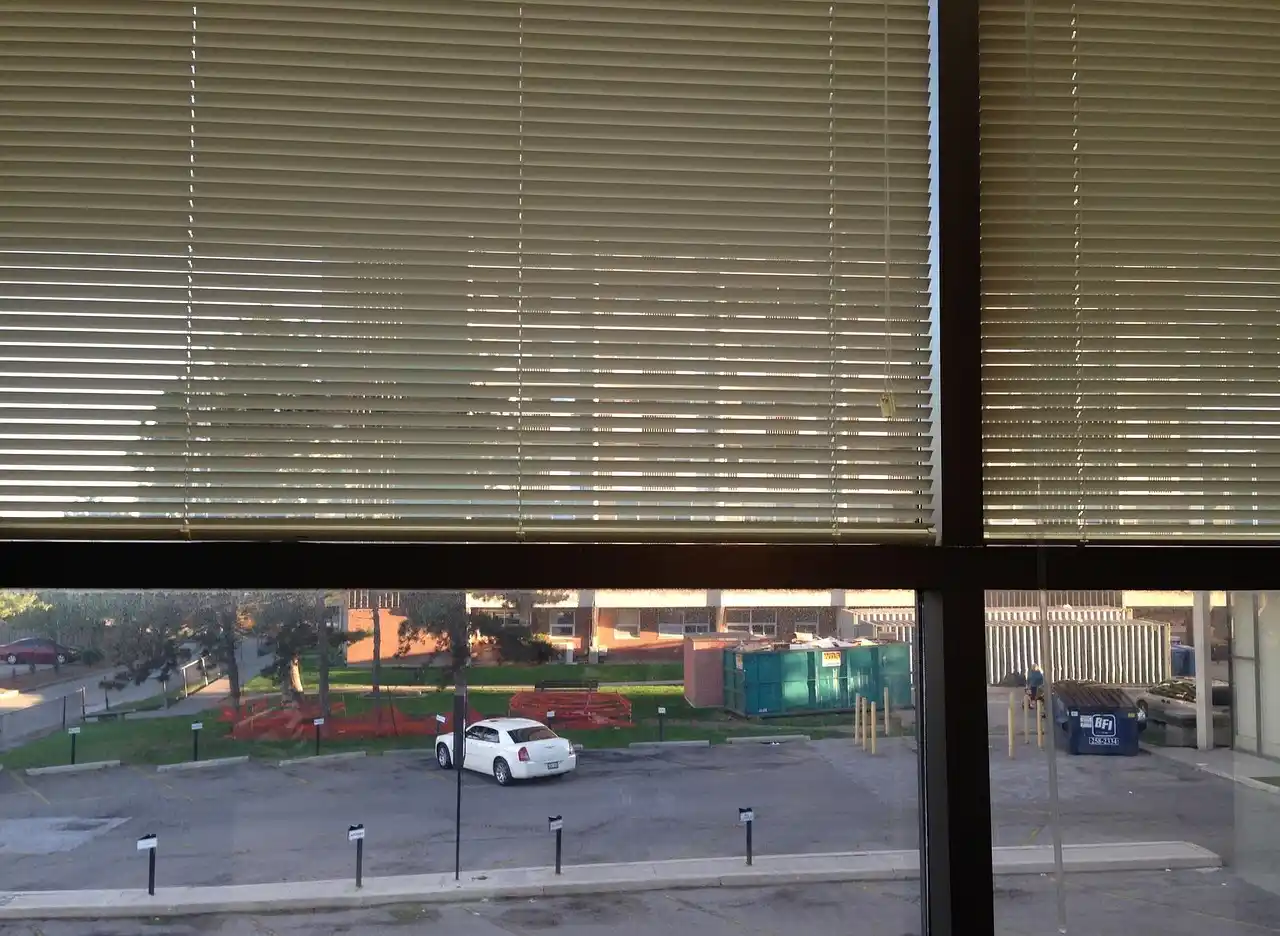
Window tint for home is a practical upgrade that blends comfort, energy efficiency, and privacy for modern houses. Whether you live in a sun-drenched climate or a city with strong glare, a high-quality film can reduce heat gain and protect furnishings from fading while preserving natural light.
What is window tint for home?
Home window tint is a thin film applied to interior panes. Modern films use multiple layers that work together to reflect infrared heat, block ultraviolet rays, and reduce glare. Options vary by material and performance, with ceramic and metalized films offering different trade-offs in clarity, heat rejection, and signal integrity.
Benefits of home window tint
- Energy savings by reducing cooling load
- UV protection to limit fading of furniture and carpets
- Glare reduction for comfortable reading and screen work
- Privacy without sacrificing daylight
- Added safety by holding glass fragments in case of breakage
Common types of window tint for home
Dyed film
Dyed films are the most affordable option. They absorb heat and reduce glare but may fade over time and offer moderate heat rejection.
Metalized film
Metalized films reflect a portion of solar energy and provide strong heat control. They can, however, interfere with some electronics and may appear reflective from the outside.
Ceramic film
Ceramic films deliver excellent heat rejection and superb clarity without metal, so they rarely interfere with signals. They tend to be more expensive but offer the best long-term performance.
Hybrid film
Hybrid films combine dyed and metalized layers to balance cost and performance, offering decent heat control with lower risk of signal interference.
Reflective or exterior mirrored film
Reflective films reflect sunlight from the outside, maximizing privacy and solar control. Some homeowners’ associations or city codes may restrict their use due to reflectivity.
Choosing the right tint for your home
- Climate and sun exposure: hotter climates benefit from higher heat rejection.
- Window type: double-pane and low-E glass respond differently to films.
- Visible light transmission: aim for enough daylight without glare in living spaces.
- Safety and warranty: choose a film with manufacturer warranty and professional installation.
- Regulations: check local rules and HOA policies regarding tint darkness and reflectivity.
Installation, maintenance, and costs
For most homes, professional installation provides uniform results, warranty protection, and safer application. DIY kits exist but require careful surface cleaning, precise cutting, and curing time. Maintenance is simple: clean with a soft cloth and a mild solution. Avoid ammonia-based cleaners that can degrade the film.
| Window Tint Type | Pros | Cons | Typical Cost per Window | UV Rejection |
|---|---|---|---|---|
| Dyed Film | Low cost; glare reduction | Can fade; moderate heat control | $5–$8 | Moderate |
| Metalized Film | Excellent heat rejection; added rigidity | Possible signal interference; may appear reflective | $6–$9 | High |
| Ceramic Film | Best heat rejection; clear; non-metal | Higher upfront cost | $8–$15 | Very High |
| Hybrid Film | Balanced performance; non-metallic | Moderate cost | $7–$12 | High |
| Reflective Film | Strong solar control; privacy | Possible reflectivity; HOA restrictions | $6–$10 | High |
When selecting a film, ask a professional about window measurements, glass compatibility, and warranty terms. They can recommend the best shade and VLT (visible light transmission) for your rooms and ensure proper edge sealing to avoid peeling.
Maintenance is simple: clean with a soft cloth and a mild, non-ammonia cleaner. Avoid abrasive tools and harsh solvents that can scratch or discolor the film. Proper installation and care extend the life of window tint for home, and help preserve the interior value of your property.
Conclusion, a well-chosen window tint for home reduces heat, blocks UV rays, enhances privacy, and preserves daylight. By evaluating climate, glass type, and local regulations, and by working with a qualified installer, you can achieve lasting comfort and energy savings for years to come.
Related Articles
Home Window Tint: Save Energy and Privacy
Read More >
Home Window Tinting: A Complete Guide
Read More >
Home Window Repair Near Me: Trusted Pros
Read More >